
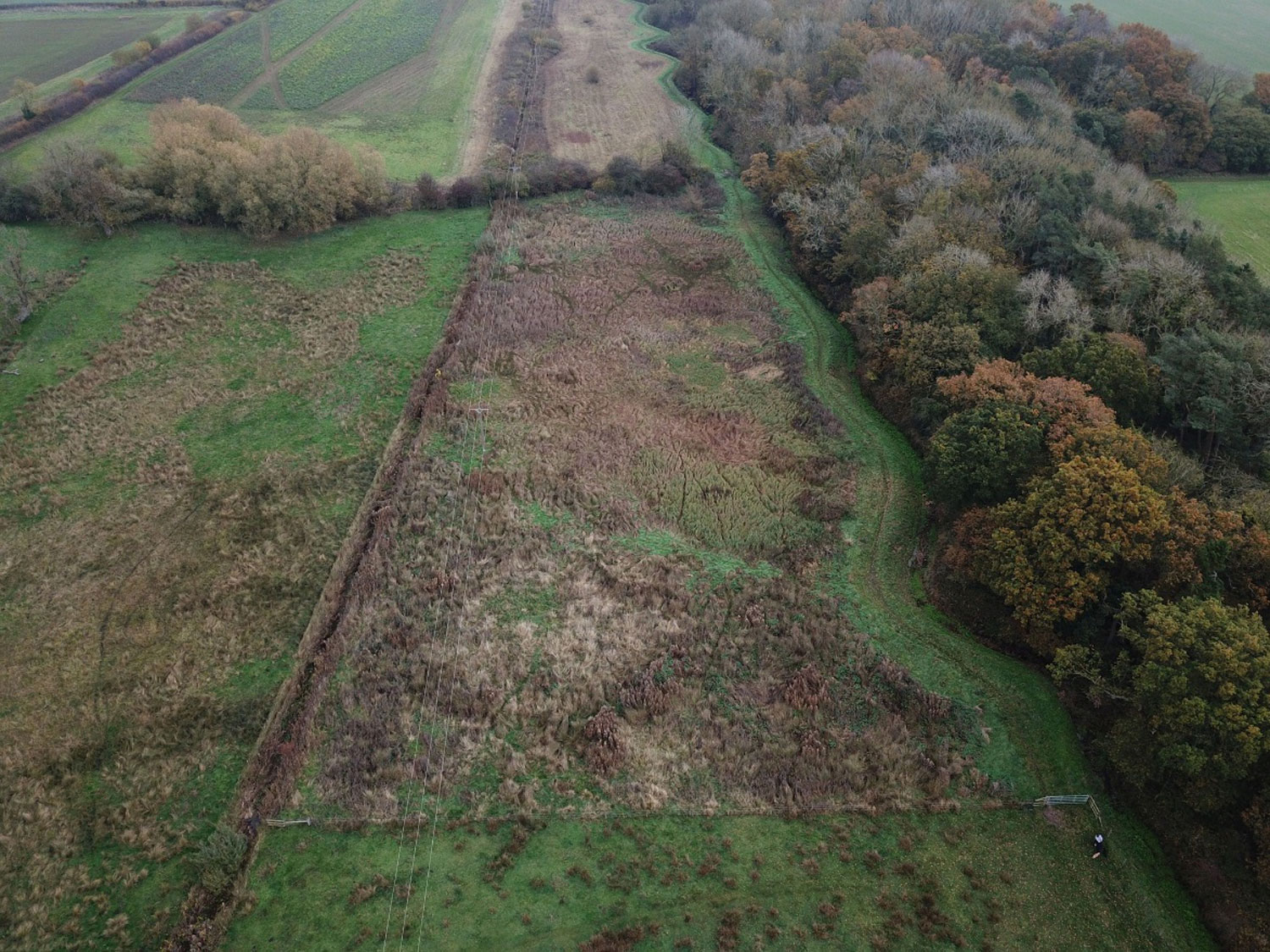
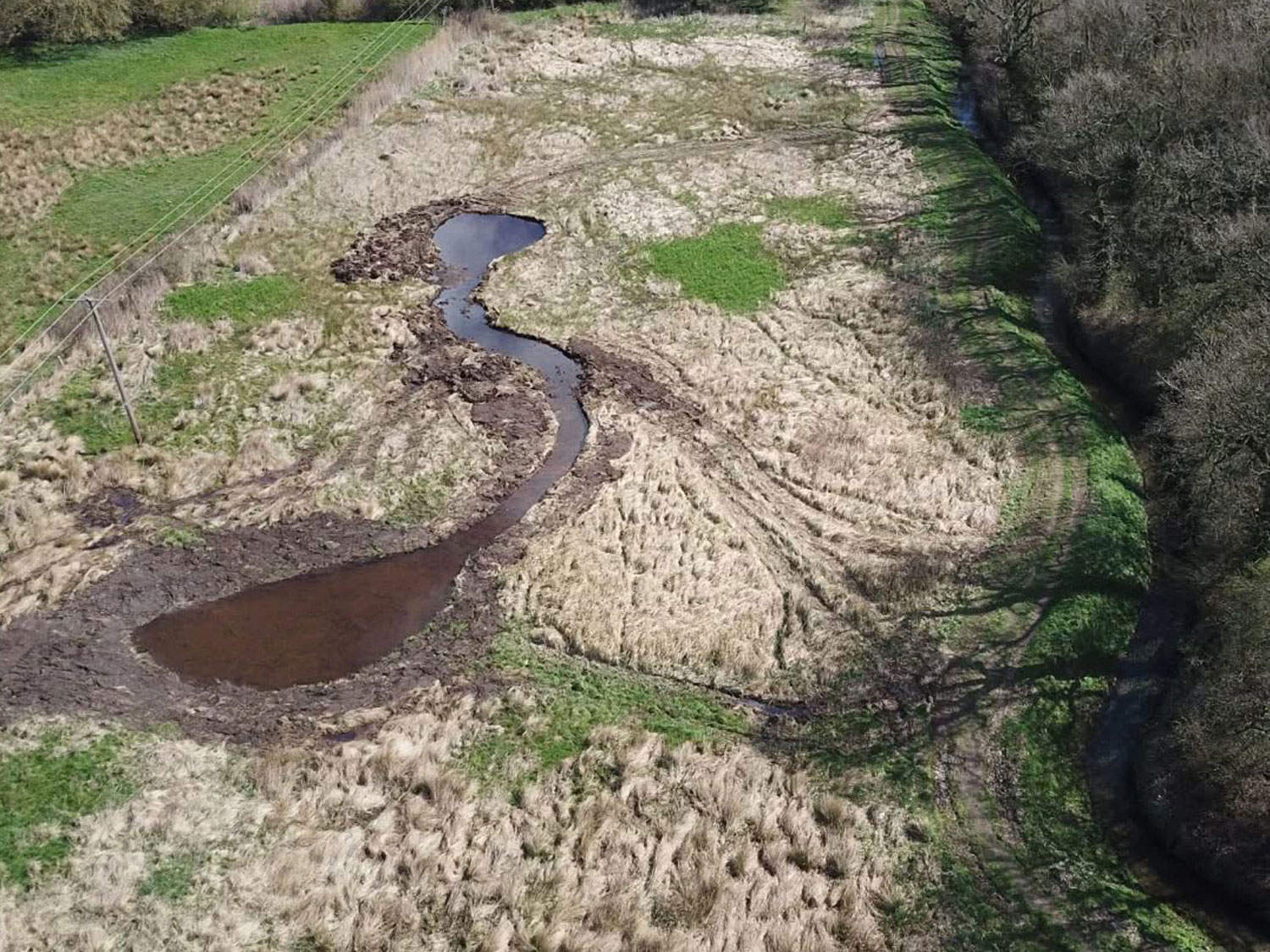
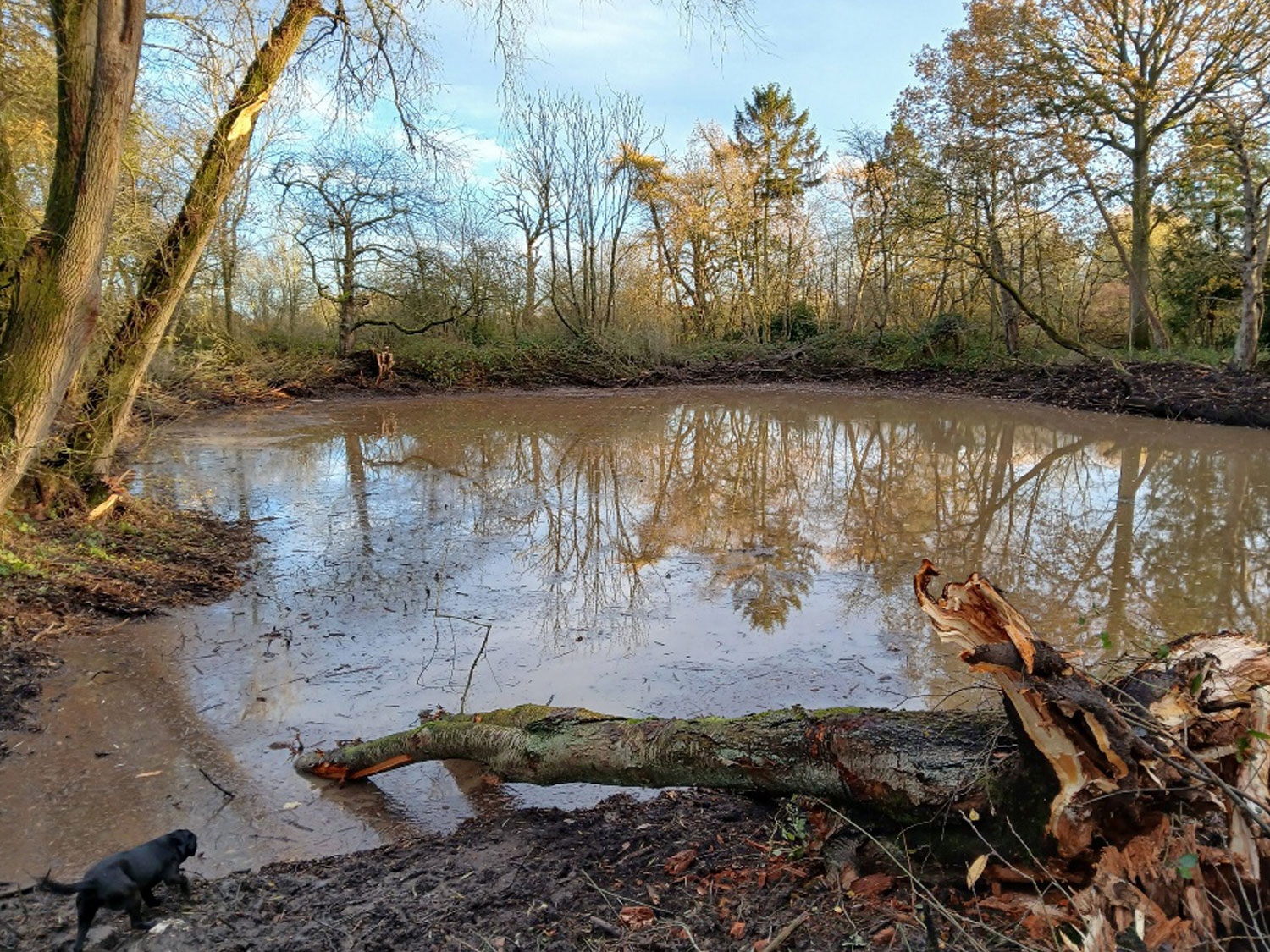
Working with a very willing landowner we have been creating new wetland areas on land which is not suitable for agricultural purposes. The ground in fact, is so wet, that a cow once completely disappeared, never to be seen again! Baring this in mind, we had to be very cautious as to where we carried out our habitat improvement work. The marshy grassland already contained a wealth of species but the area was lacking open water, so we highlighted patches of rank vegetation in which to work, both creating new habitat and protecting existing ones. We hope that the scrape will attract dragonflies, damselflies, wildfowl, amphibians and provide a feeding area for the local water vole population. Our recent surveys found evidence that this is a stronghold area for them with runs, holes and latrines being found all along the adjacent Watton Beck.
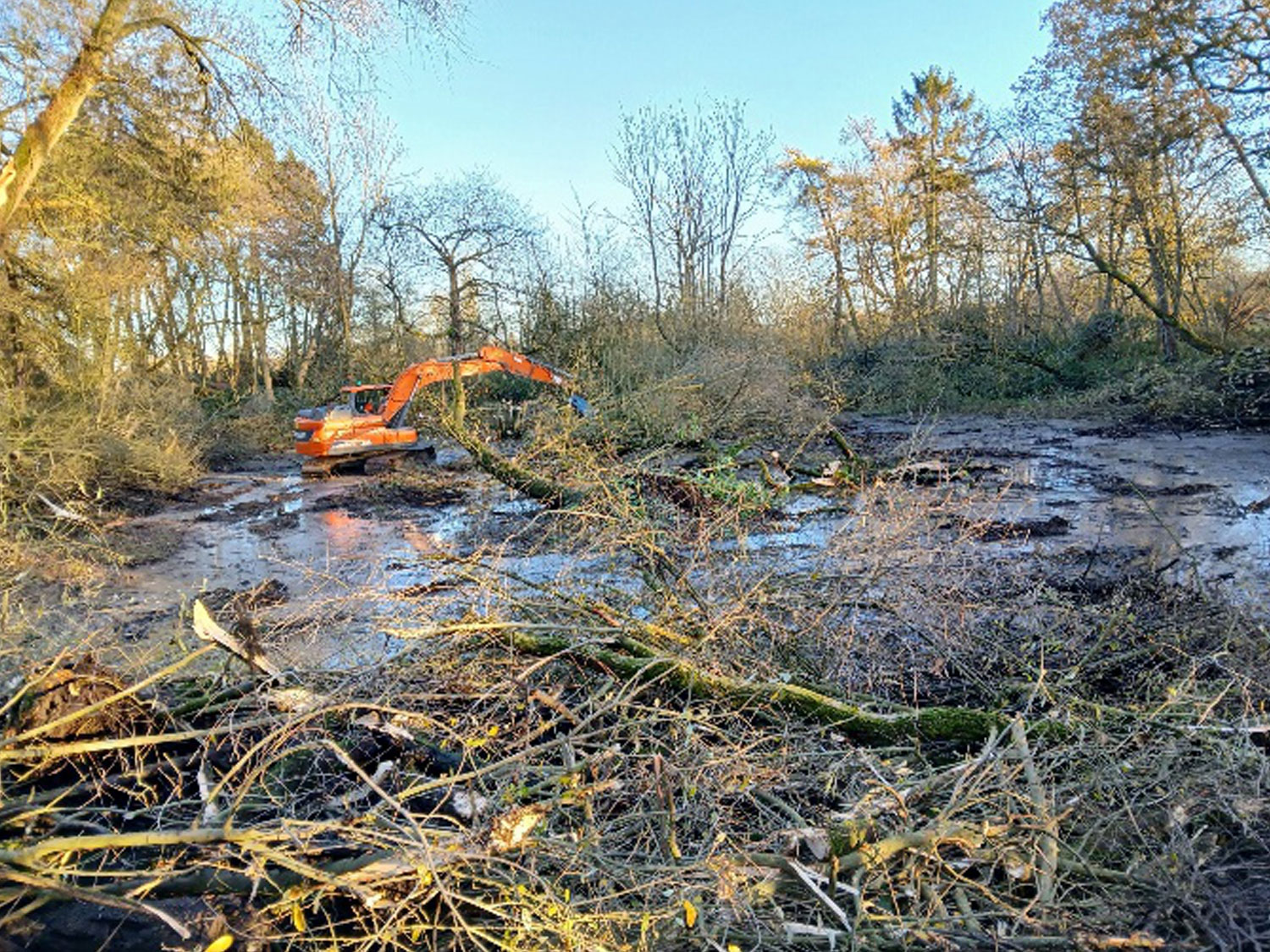
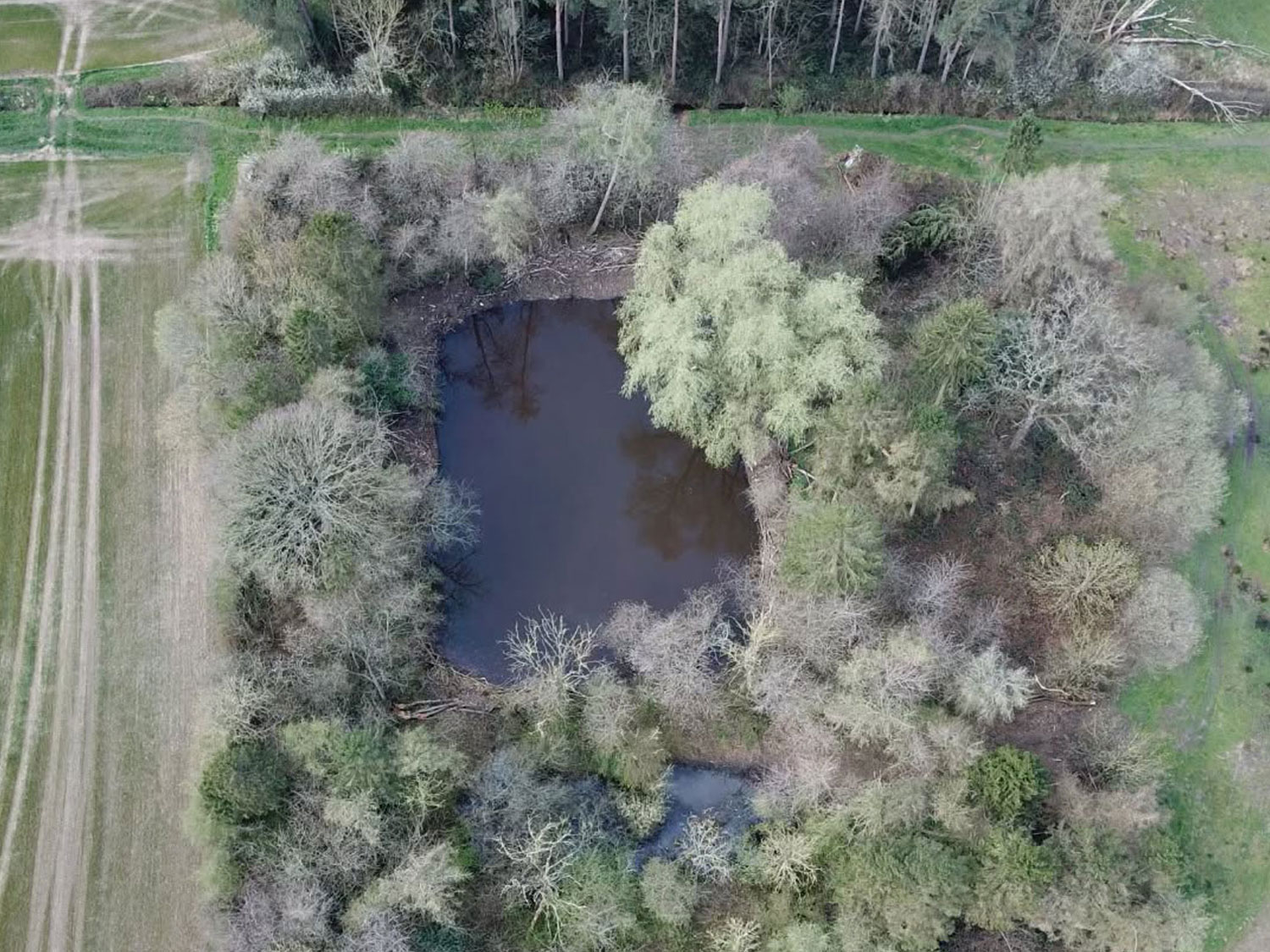
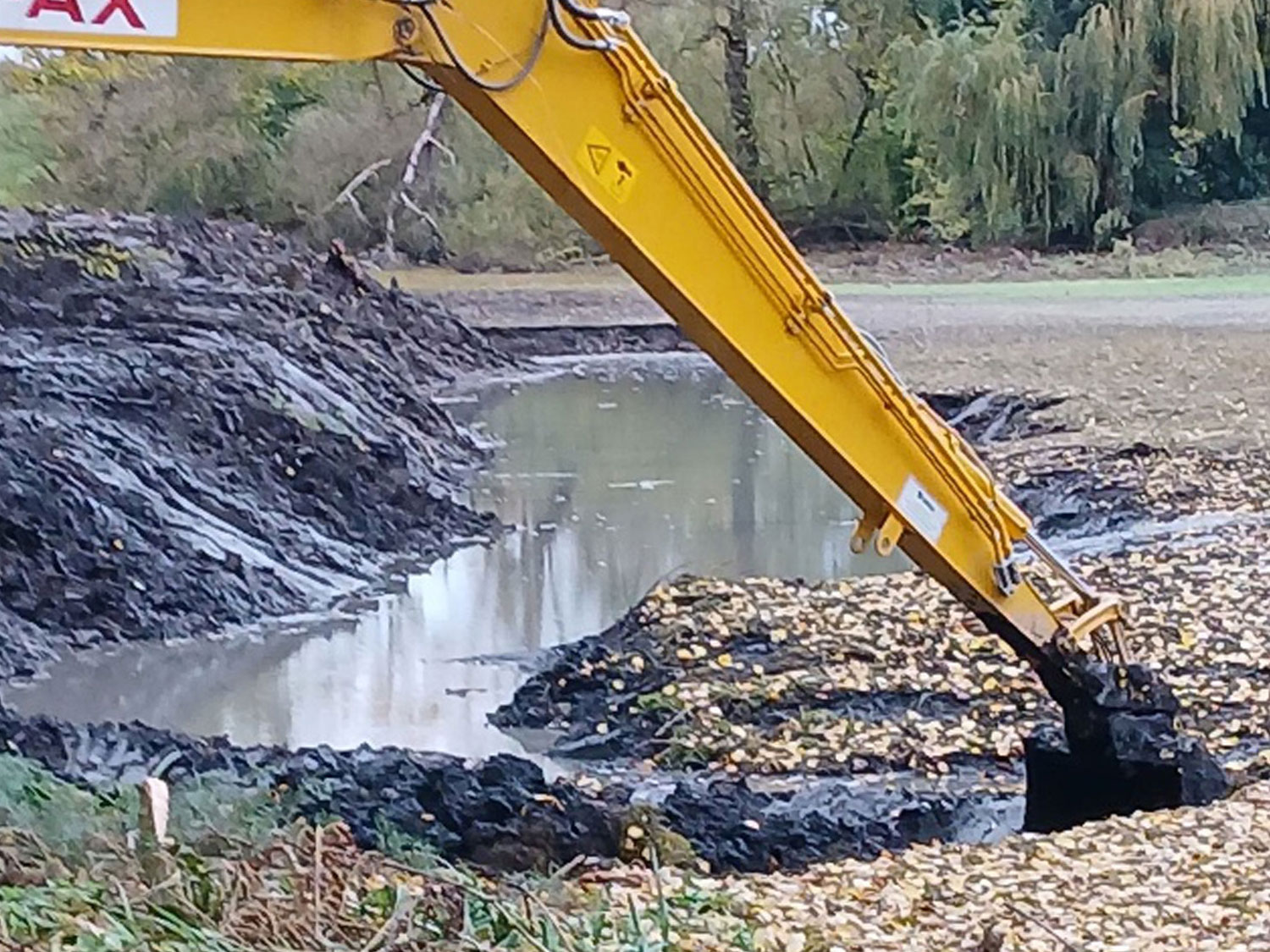
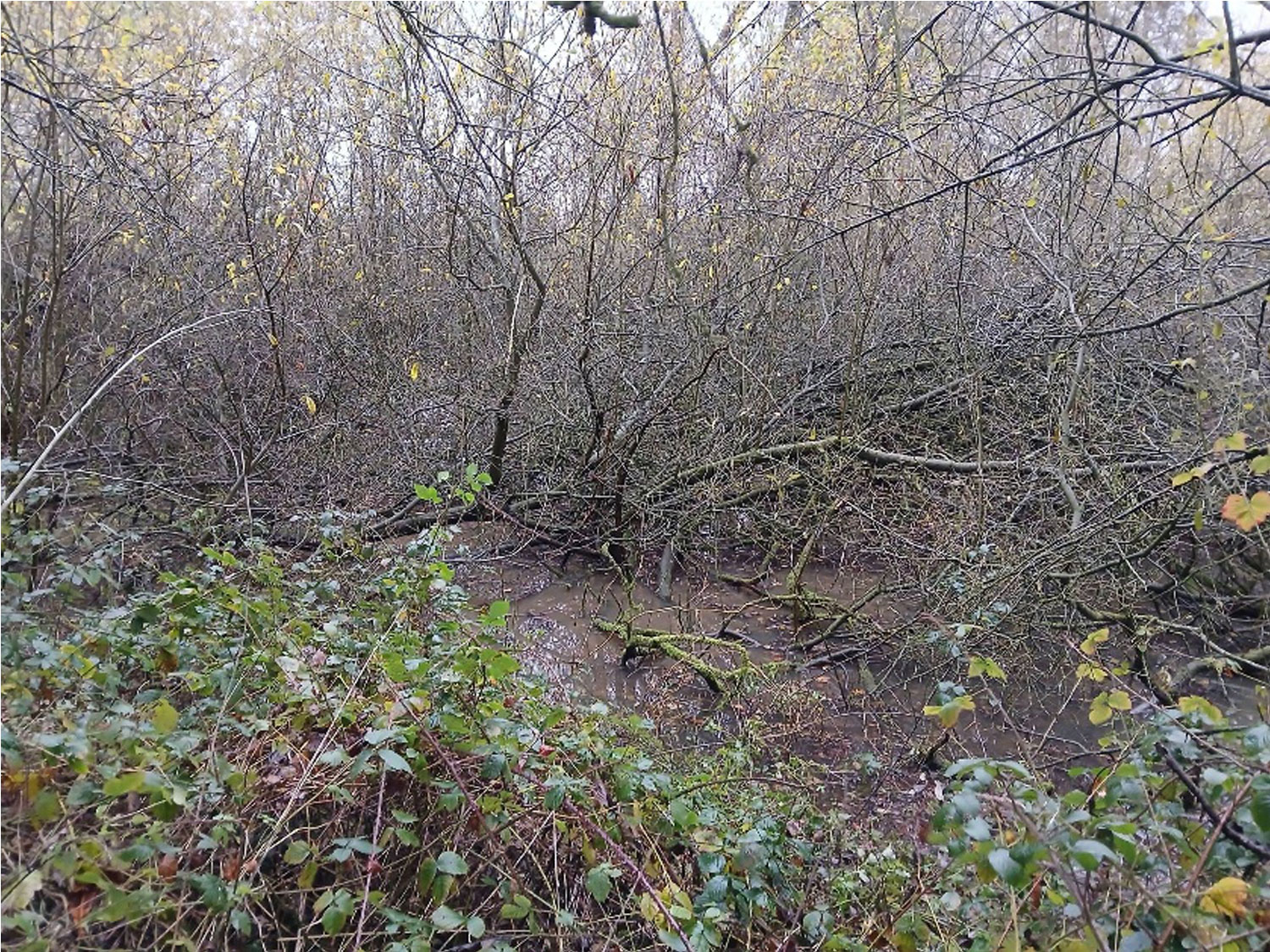
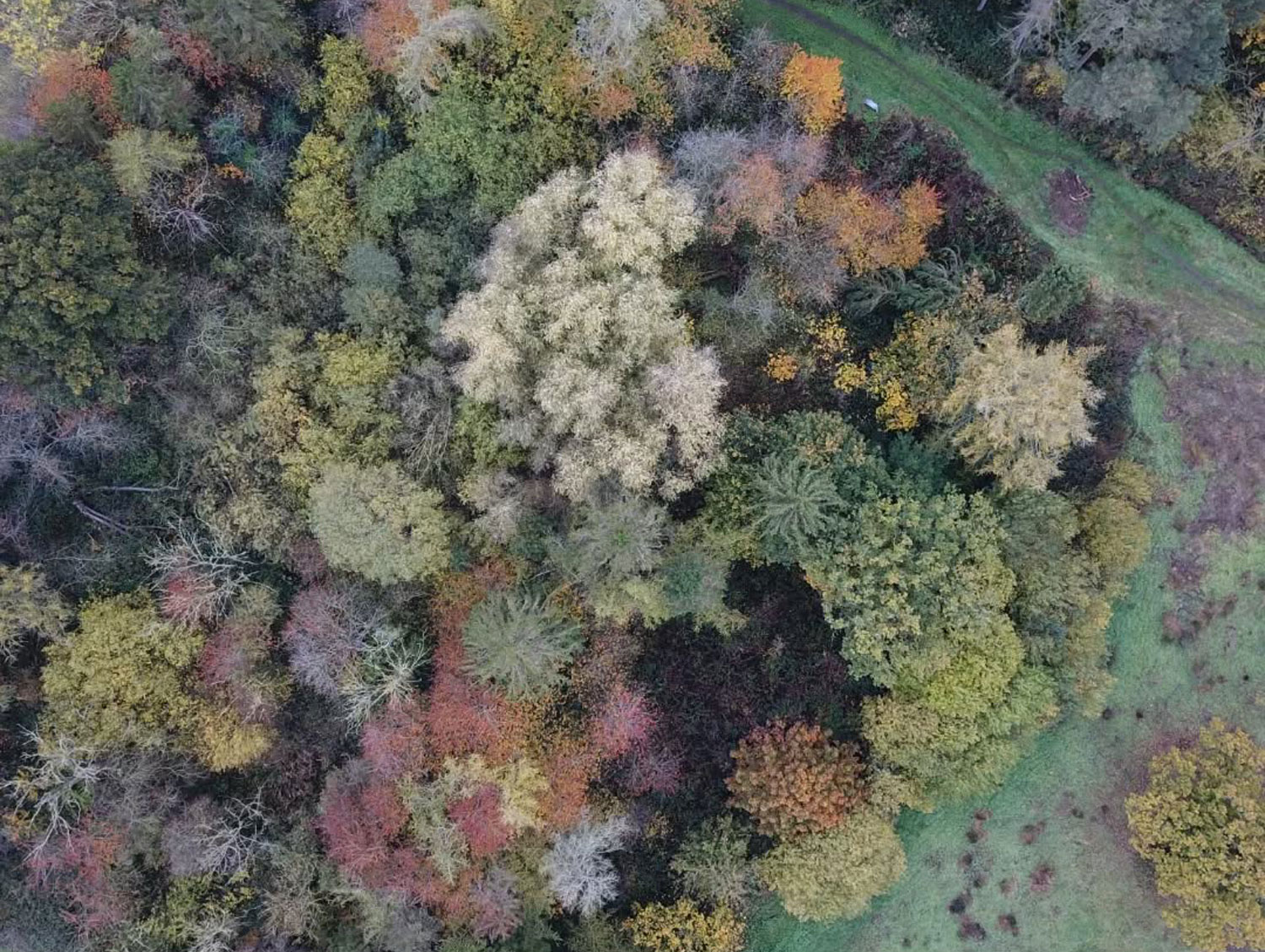
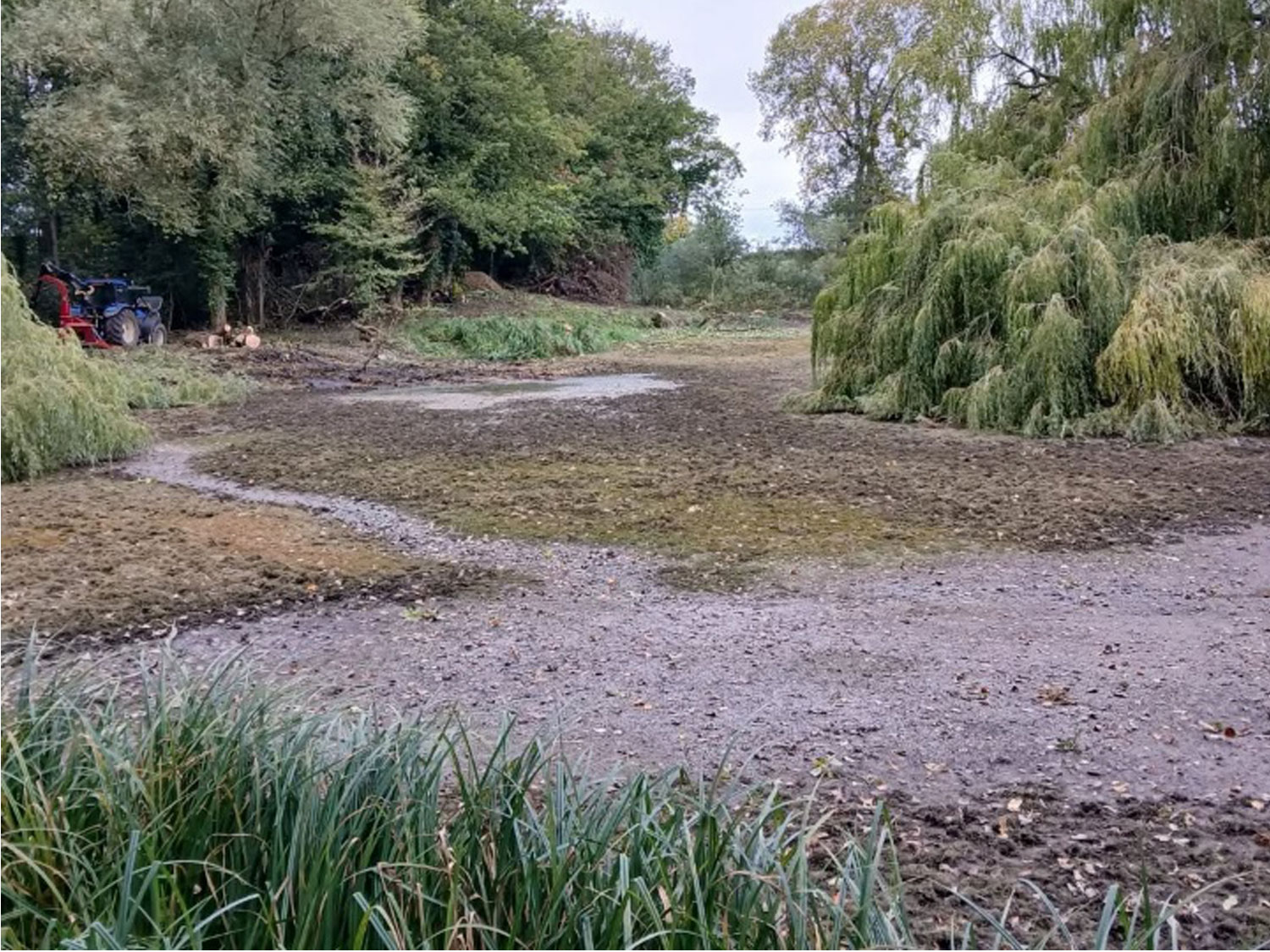
Our aim with this project is to link wetland areas across the farm, protecting and creating a mosaic of habitats which join up, providing corridors for a variety of species. We aim to improve fish passage on the local streams and restore historic ponds and lakes to their former glory. One species, which finds its home here is the European eel. These fish, once common in our waterways are now critically endangered and despite once despising them due to their slimy skin and my lack of ability to hold onto them when fishing as a child, I/we intend to do everything we can to help them move around freely and find their preferred feeding grounds. We have restored a historic fishpond which had become a dry tangle of fallen willows and removed an estimated 500 tonnes of silt from Cawkeld Lake to increase its depth and suitability for eels. We also skylighted the edges of the lake to reduce leaf litter falling into the water every autumn and reducing the oxygen content and depth as it breaks down. Furthermore, we are looking at removing local barriers to migration such as weirs and culverts.
© East Yorkshire Rivers Trust 2026Registered Company No. 5697790Registered Charity No. 1115043
Cookie PolicyWebsite designed and built by Bluefish Web Solutions


